Preventing repeat infections and evaluating prostate products
No food, vitamin or over-the-counter prostate formula has been established as a treatment for bacterial prostatitis. Prevention focuses on addressing urinary risk factors, using antibiotics responsibly and investigating recurrent infections rather than trying to suppress symptoms with a supplement.
Steps that may reduce repeat infection risk
Not every prostate infection is preventable, and recurrence can reflect a persistent bacterial source or a structural urinary problem. A clinician may evaluate bladder emptying, prostate enlargement, stones, catheter use or another factor that allows bacteria to persist.
Finish prescribed treatment, attend follow-up and avoid saving antibiotics for future symptoms. If infections recur, ask whether each episode was culture-confirmed and whether the same organism returned.
- Do not delay urination for long periods when a bathroom is available
- Use catheters only as directed and follow cleaning instructions
- Discuss urinary retention or a consistently weak stream with a clinician
- Use barrier protection and obtain STI testing when exposure is possible
- Keep copies of culture and antibiotic-susceptibility results
Diet, zinc and general prostate care
A balanced diet with vegetables, fruit, whole grains, protein sources and adequate fluids supports general health but has not been shown to clear a prostate infection. Foods or drinks that aggravate urgency vary by person; a short symptom diary can be more useful than permanently eliminating a long list of foods.
Zinc and vitamin D are important nutrients, but more is not automatically better. High supplemental zinc can cause nausea, interfere with copper status and interact with medical care, while vitamin D dosing should account for existing intake and laboratory results when relevant.
- Choose supplements based on a defined need rather than the word “prostate”
- Add up nutrients across multivitamins and individual products
- Check interactions with prescriptions and planned procedures
- Avoid products that promise to cure infection, reverse cancer or replace testing
Recommended Products
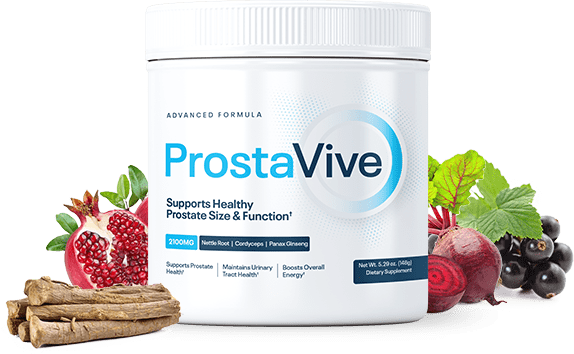
prosta vive
ProstaVive is sold as a powder mixed with water or another beverage, with the merchant suggesting one scoop daily with a meal. The supplied page names artichoke extract, zinc and vitamin D, but does not establish that the blend treats bacterial prostatitis.
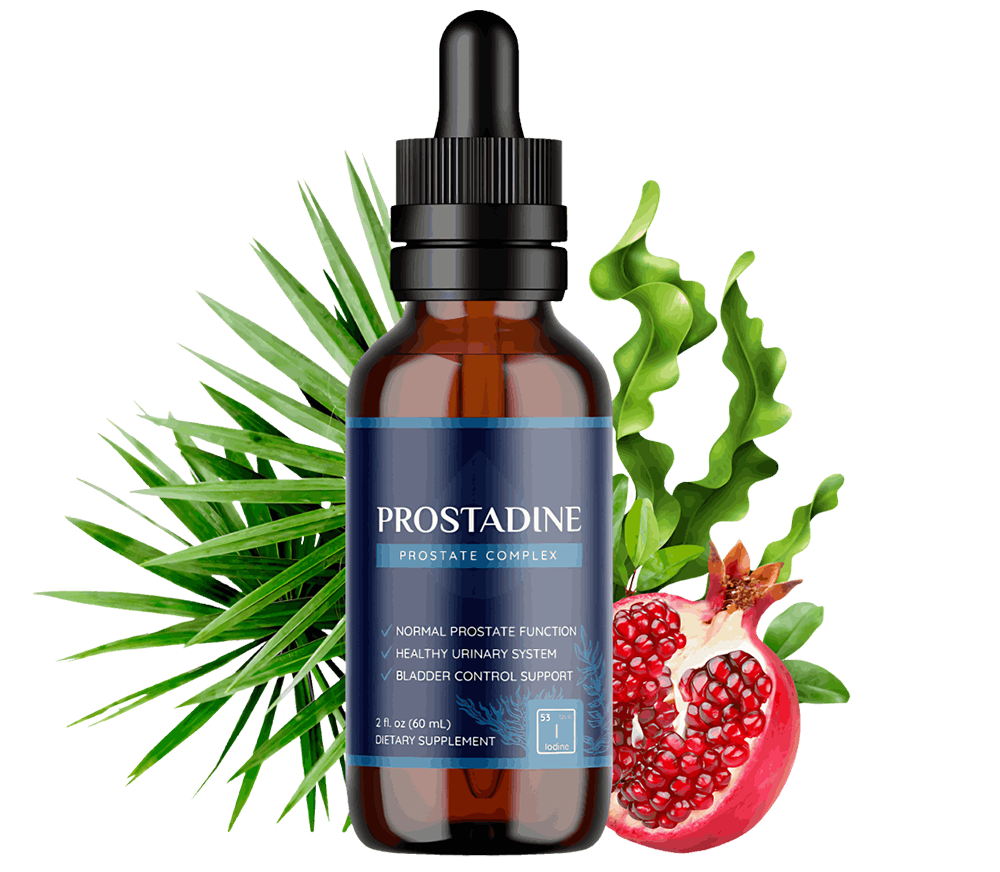
prostadine
Prostadine is presented as a once-daily, plant-based prostate and urinary-support formula. The supplied excerpts do not provide a complete ingredient list or amounts, and claims about removing toxic minerals or reversing hard-water effects are not demonstrated by the provided material.
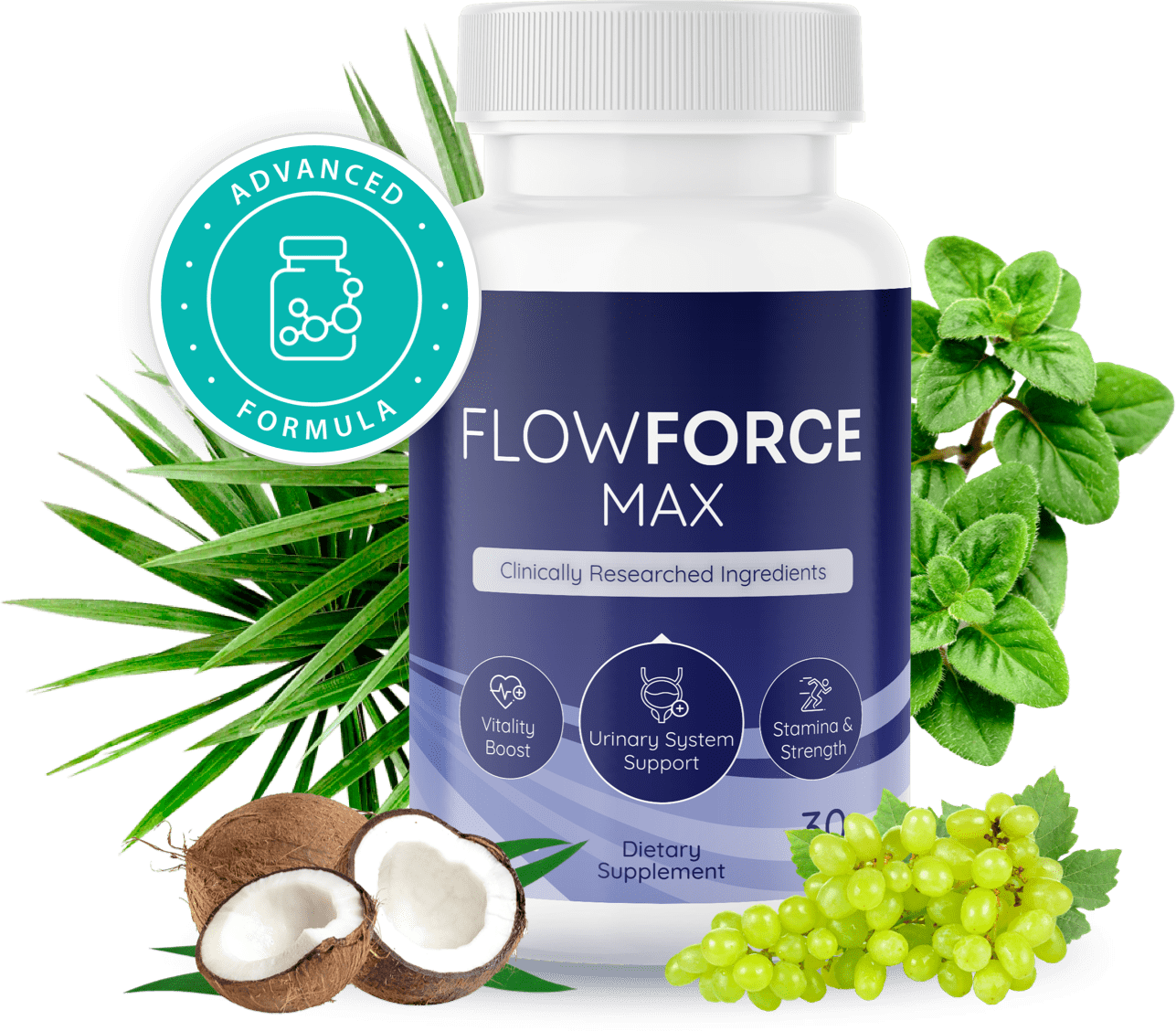
flowforce
FlowForce Max is presented as a soft chewable containing a proprietary blend. The supplied page specifically names Graminex flower pollen extract, saw palmetto fruit extract and peppermint leaf extract, while its infection-protection claims remain merchant claims rather than clinical proof.
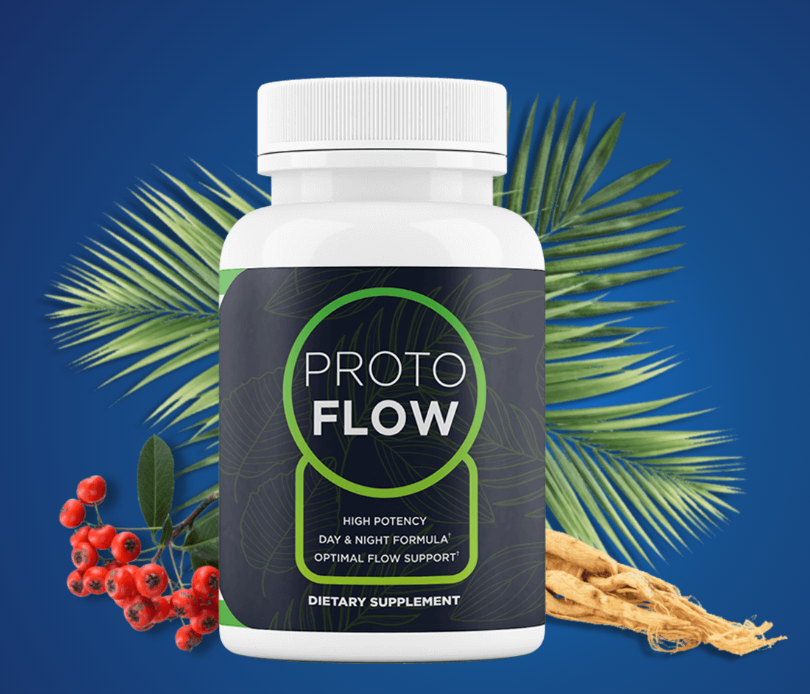
protoflow
Protoflow is described as a dietary formula intended to support normal prostate and bladder function. Its merchant page emphasizes natural and organic elements, but the supplied excerpts do not identify a complete formula, exact amounts or independent efficacy testing.

viriflow
ViriFlow is marketed in a drop format with an herbal and nutrient blend. The supplied page names wakame, shilajit and neem, making its disclosed formula notably different from the saw-palmetto-based products in this set.
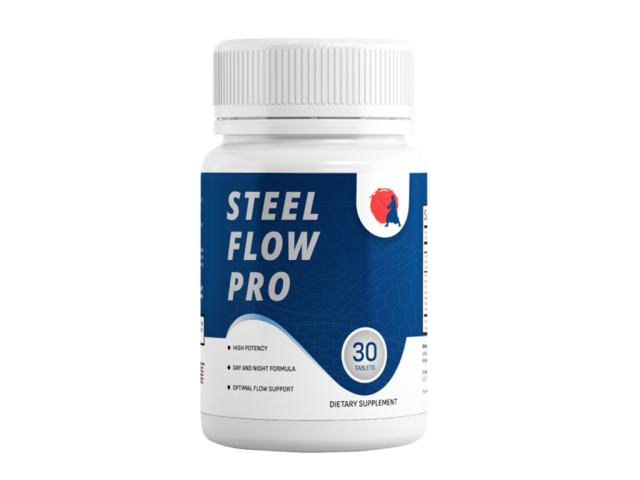
steel flow pro
Steel Flow Pro is promoted as a Japanese-inspired 10-in-1 prostate wellness formula containing antioxidants, minerals, vitamins and herbs. The supplied excerpts do not name the ten components or their quantities, which limits ingredient-level comparison and interaction screening.
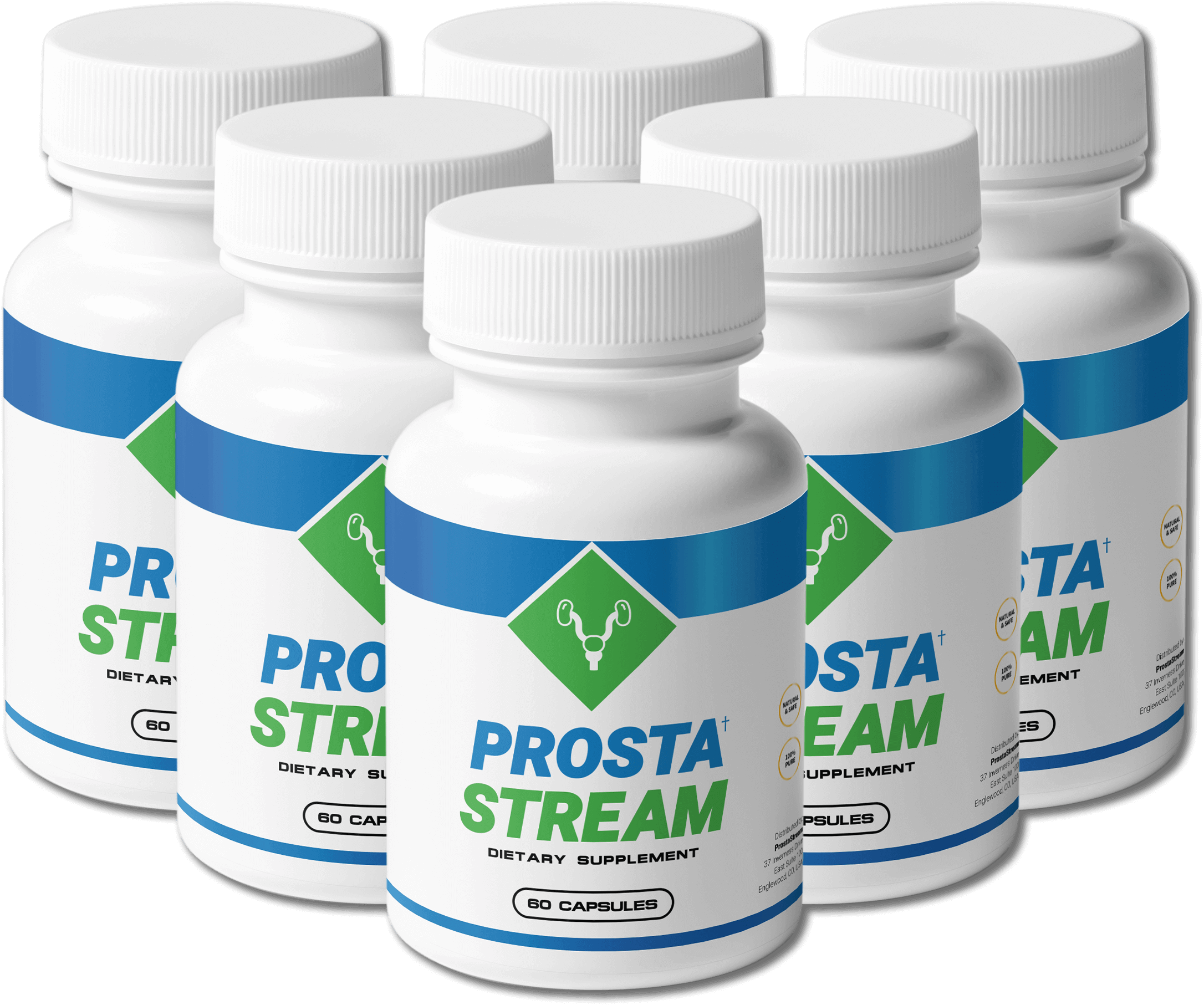
prostastream
ProstaStream is presented as a capsule formula containing saw palmetto, green tea extract, broccoli leaf extract, selenium, vitamin B6 and vitamin E. The merchant page includes unsupported disease claims and unrelated weight-loss wording, so its label details and marketing assertions warrant careful verification.

titan flow
Titan Flow is sold as capsules, with directions on the supplied page calling for two daily with the first meal and describing each bottle as a 30-day supply. Broccoli sprout extract and pygeum are named ingredients; claims involving toxins, urethral structure and research backing are seller assertions rather than proof that it treats infection.
How to compare the eight selected products
The supplied pages describe different formats: ProstaVive is a powder, FlowForce Max is presented as a soft chewable, ViriFlow as drops, and Titan Flow as capsules. ProstaStream also identifies capsule ingredients, while the supplied excerpts for Prostadine, Protoflow and Steel Flow Pro provide broader formula descriptions without a complete named ingredient panel.
Among the disclosed components, ProstaVive names artichoke extract, zinc and vitamin D; FlowForce names flower pollen extract, saw palmetto and peppermint; ViriFlow names wakame, shilajit and neem; ProstaStream names saw palmetto, green tea, broccoli leaf, selenium and vitamins; and Titan Flow names broccoli sprout extract and pygeum. These differences help compare labels, but they do not show that one product treats infection better.
- Confirm serving form and complete Supplement Facts panel
- Prefer exact ingredient amounts over unexplained proprietary blends
- Check for allergens, duplicate nutrients and medication interactions
- Treat testimonials, urgency discounts and percentage savings as marketing
- Verify independent quality testing rather than relying on an FDA-registered-facility statement
What labels and merchant pages cannot establish
A label can identify ingredients, serving directions and certain manufacturing information. It cannot by itself prove that the formula reaches infected prostate tissue, kills the responsible bacteria, prevents sepsis or works as well as prescription treatment.
Several supplied merchant excerpts make broad claims about inflammation, toxins, fungal protection, prostate size or urinary flow without providing independent clinical evidence in the material supplied. ProstaStream's page also shifts into unrelated weight-loss language, which is a reason to verify the actual package label and seller identity before purchasing.
A safer purchase decision
First determine whether the goal is treatment of an infection, relief of a diagnosed urinary condition or general nutrient supplementation. Infection requires clinical care; for other goals, take the full ingredient list to a pharmacist or clinician and compare it with your diagnoses and medications.
Frequently Asked Questions
Saw palmetto is marketed for urinary or prostate support, but it is not an antibiotic and should not be used to treat bacterial prostatitis.
No. Facility registration is not approval of the product and does not prove that its medical claims are effective.
Evidence does not establish a probiotic as a routine way to prevent bacterial prostatitis. Probiotic effects are strain- and product-specific, and a CFU count alone does not prove benefit for prostate infection.